We all have plenty of reasons to get mad about how messed up things are around us. And so we do get upset about buggy apps, dysfunctional workplaces, and that ugly new building across the street. Only a tiny few are mad enough to do something about it and make things better. Why?
Most of the time, we calm ourselves by saying that we lack the time, money, skills, or power to improve things. “It’s not my job.” So we accept things as they are and do nothing. It takes courage to imagine what does not yet exist. It takes courage to risk failure, to keep going even if you may be ridiculed for daring to rage against the machine. It takes mad courage to keep going when you know that you may indeed just be crazy.
It takes the courage to be wrong, to be misunderstood, and to be laughed at. It takes the will to think for ourselves, the readiness to be wrong, and the nerve to look like a complete fool. Not once, not eventually, but day after day, all day long, again and again, repeating tirelessly what does not work until it works, fully aware that we may indeed end up not just being misunderstood, but really being wrong, ridiculous, or insane.
To improve things just a tiny bit, to catch a spark of beauty, we need to embrace, enjoy, and carefully develop what regular people consider to be insanity. The really crazy thing is that we do not know who is right and who is wrong unless we try and keep trying, until we succeed or fail.1
Madness and Imagination2 is iA’s Oliver Reichenstein’s opening talk for this year’s Beyond Tellerrand in Düsseldorf.
-
The inspiration comes from a longer, future blog article on the notion of “form”, that drifted into a sidetrack on how the practice of design requires us to do what is considered patently insane: doing pretty much the same thing again and again (slightly altered), and failing again and again, naively hoping to eventually succeed. ↩︎
-
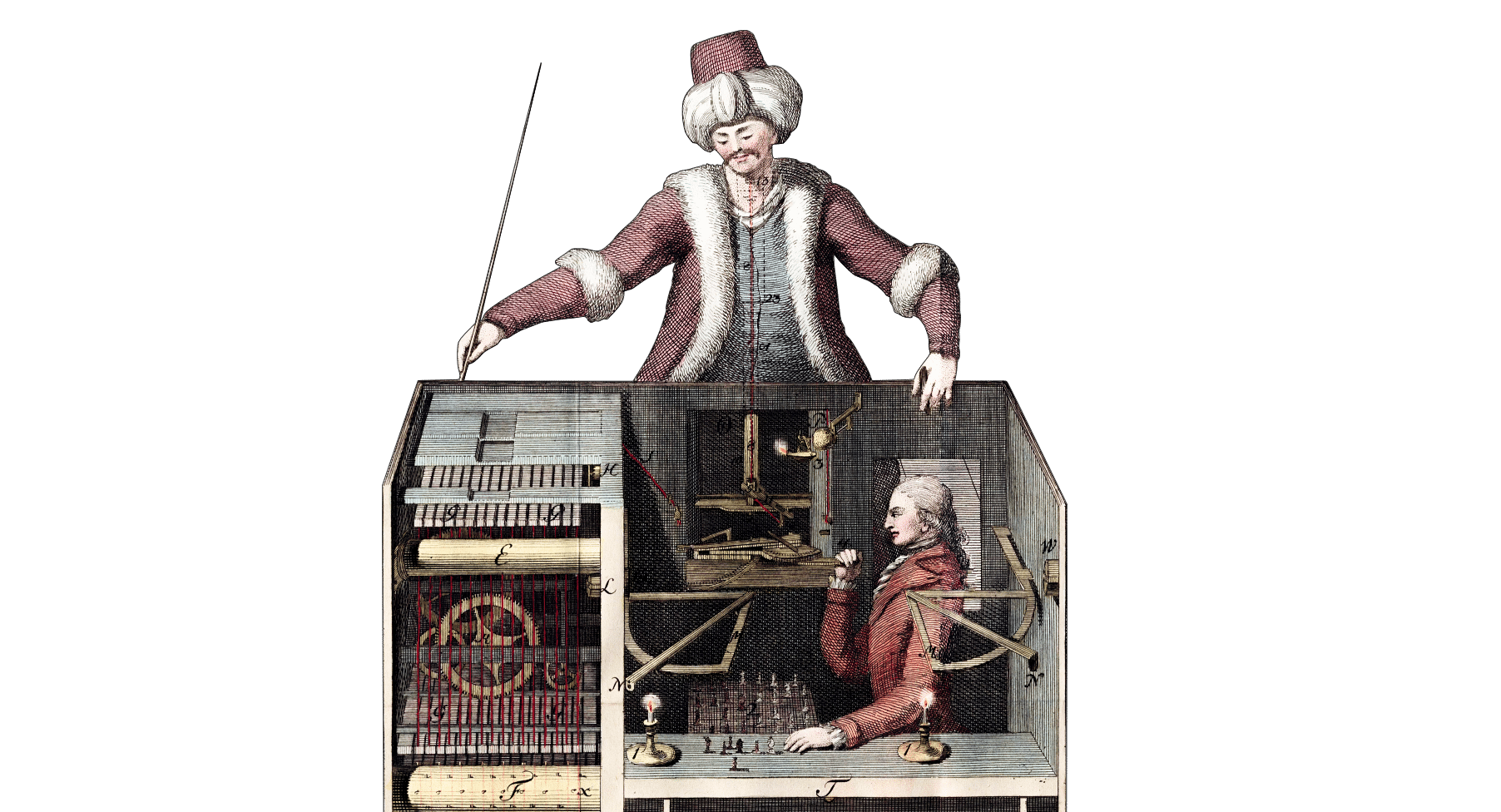
The title and cover image refer to Michel Foucault’s “Madness and Civilization”. The French philosopher argued that modern society enforces order not only by observing, classifying, and normalizing people, while excluding what it calls irrational or mad. In a world shaped by surveillance, metrics, and attention mining, imagination is suspicious, because it questions normality, statistics, efficiency, predictability, and control. ↩︎